O.S. Engines O.S. ENGINES .61 FX
PRODUCT TEST REPORT

by Brian Lee

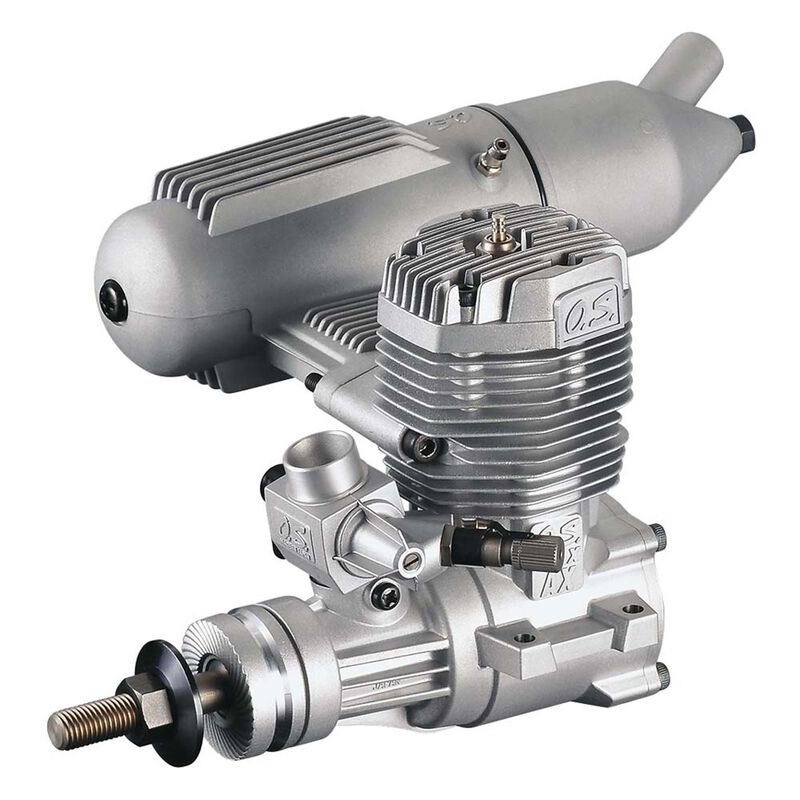
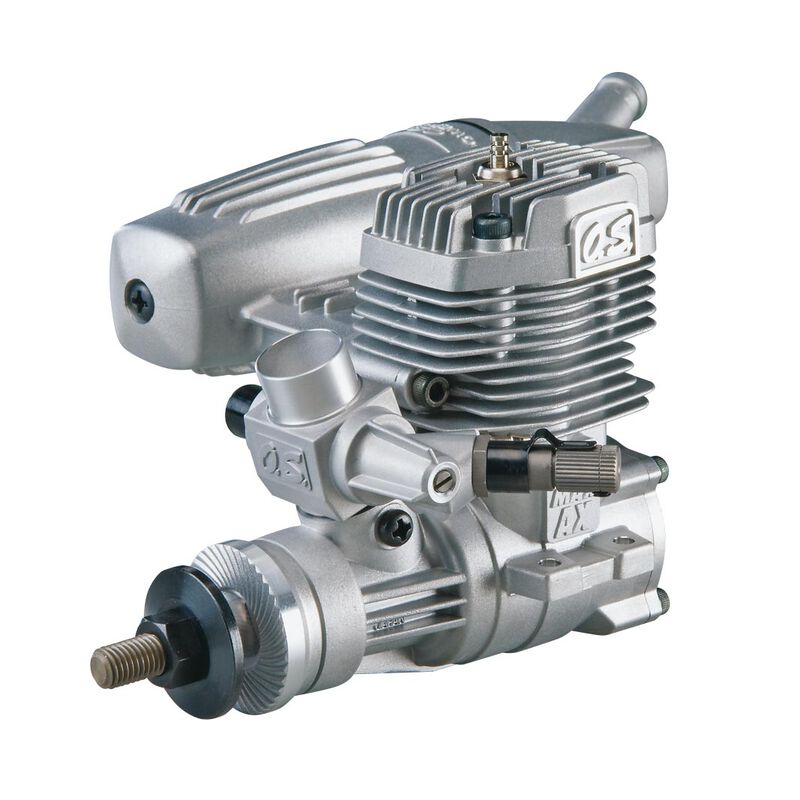
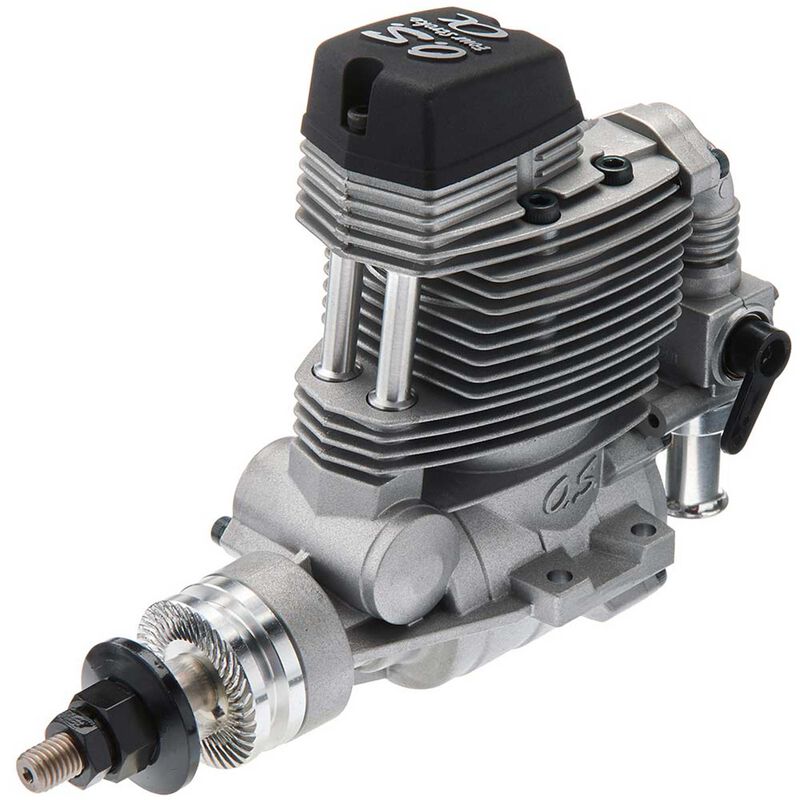
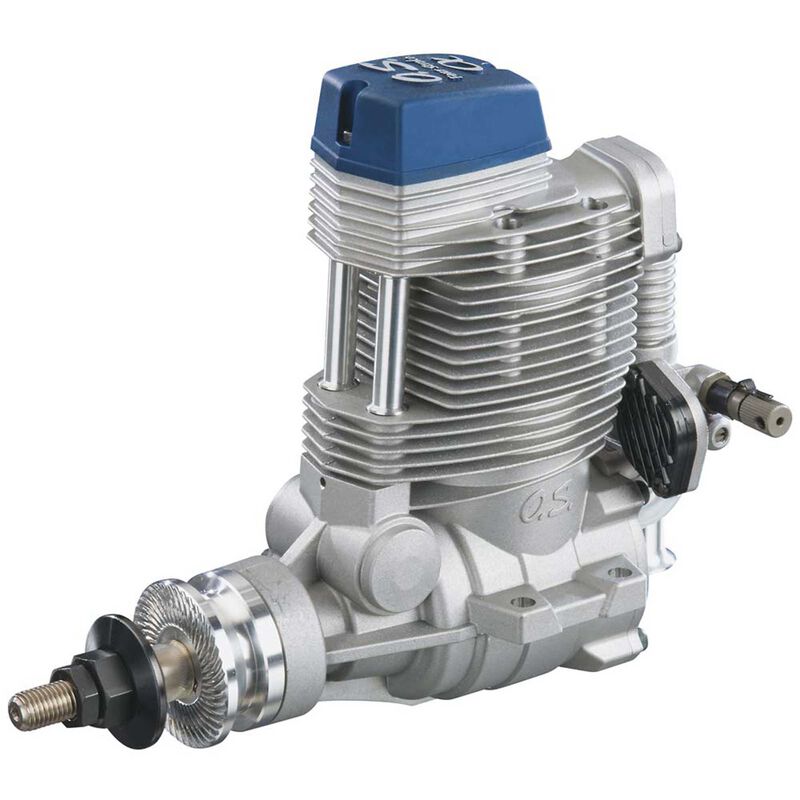
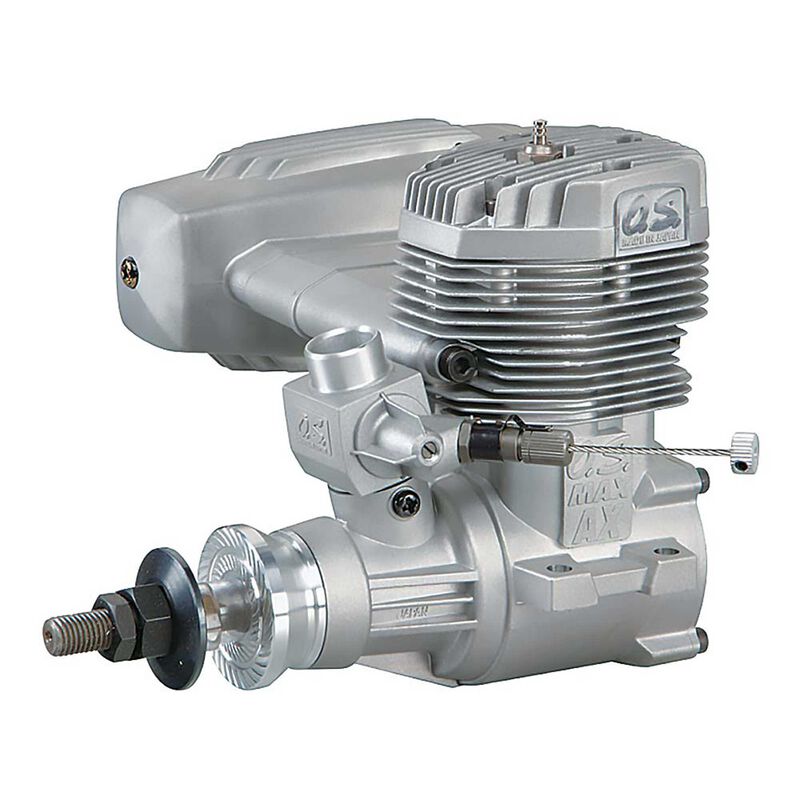
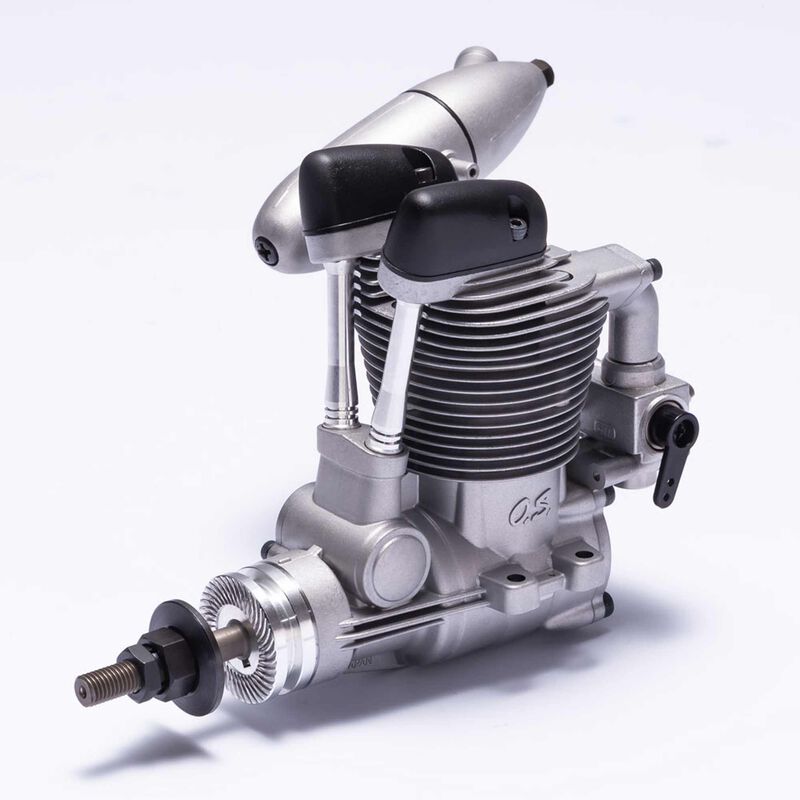
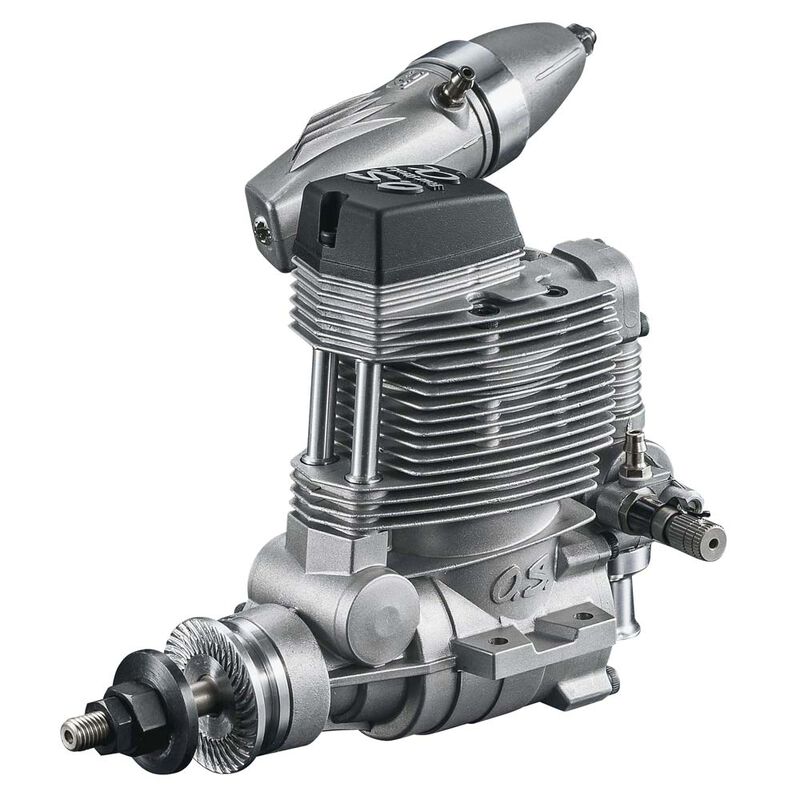
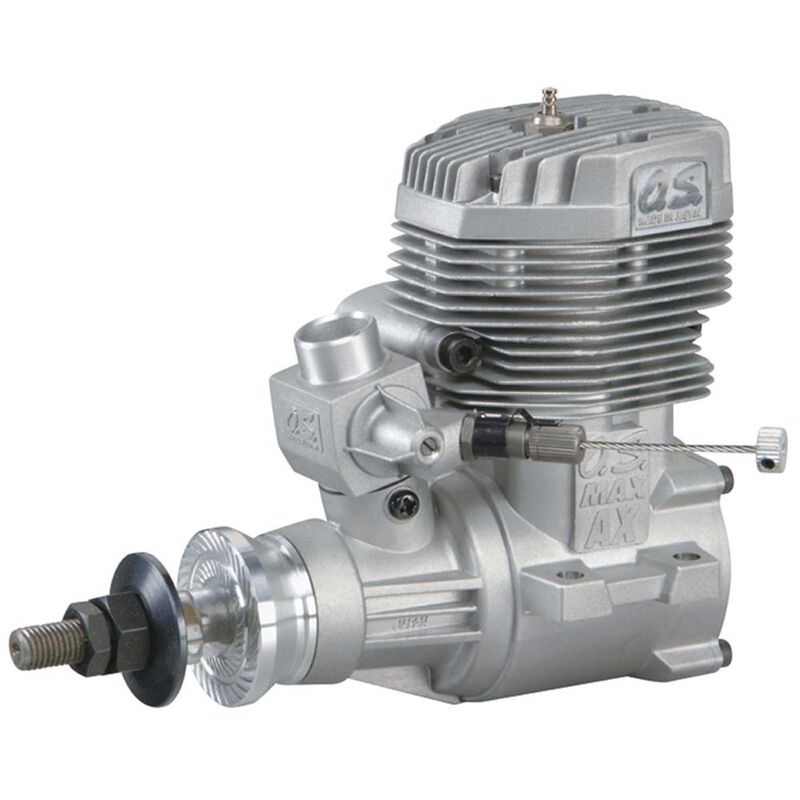
.61 FX photo

This is the first "all new" O.S. .61 engine I've tested since the SF line was introduced back in 1987. I always found the earlier model O.S. .61 FSR to be an impressive engine. I was impressed with the long-stroke .61 SF, and now guess what ... I'm impressed again! Even though the .61 FX is not a long-stroke engine, it handles large props with equal authority, and performs almost identically to the SF engine on nearly every prop tested. But wait. What's so impressive about a new engine that performs about the same as the older model? Well, we asked that question in 1987 when the SF line came out, too. They were heavier than the FSR's they replaced, they cost more, and they offered little if any improvement in performance, except with the larger prop sizes (or is that improvement enough?). Well, once again, the engine is heavier than the .61 SF, but only slightly so, weighing just 0.2 oz. more. The muffler is heavier too, gaining 0.4 oz. So what's all the excitement about? Well, I'll tell you. As user friendly as the earlier O.S. .61's have been, the .61 FX reaches a new and higher level of user friendliness. In fact, my noble assistant even made the unnoteworthy statement, "Maybe we should call it a user's best friend." (Editor's Note: Hey! Whaddayamean UN-noteworthy?)

You want impressive? Here's a point you can drive yourself crazy with for a while. The O.S. .61 FX produces almost exactly the same power as the O.S. .61 SF engine did, while making (pay attention now, because here comes the good part) less than half the noise! Yes, I said less than half as much noise! The O.S. .61 SF I tested for the October 1987 issue produced a 94.5 dB(A) while spinning a Zinger 11x7 prop at 12,300 RPM. Not bad, right? Okay, try this! The O.S. .61 FX engine I tested for this issue produced just 88.0 dB(A) while spinning a Zinger 11x7 prop at 12,300 RPM. Note the great similarity in RPM figures, and the great dissimilarity in noise factors? Keep in mind now, that a reduction of 3 dB(A) means cutting the noise factor in half. So in terms of noise pressure (i.e., how far away the sound will travel), the .61 FX makes only one quarter of the noise the .61 SF made! And if you're not impressed with that, friend, then you're not paying attention! I'm sorry now that I didn't remove the muffler baffle to see how it would perform without it. It might be more powerful, and still make less noise than the old SF engine.

So, how did they do it? How did O.S. make just as much power from the same size engine, but with so much less noise? Well, my answer is going to be a bit on the technical side, so try and stay with me here. "I have no idea!" But I'm betting it has something to do with the combination of exhaust port height, muffler volume, and the muffler baffle. I'm just so happy to see it without hearing it!

I have several times said "about" or "almost" the same power. Am I using vague terms to mask the loss of a few hundred RPM here, and a few hundred RPM there? Not at all. I'm just saying that the SF was a little stronger with some props, and the FX was a little stronger with others. And frankly, no matter how much Gordon hates to admit it, engine testers do sometimes make mistakes, especially when assisted by unwelcome onlookers who claim they're there to help. (Editor's Note: Hey, Now THAT hurt!) I do my best to ensure accurate readings and measurements, and I'll stand behind my work until proven wrong, but as you may have seen from corrections published a month or two after a particular test appears in print, I have found mistakes in my own work.

Here are some figures from the 1987 test of the then new O.S. .61 SF (without pump). Compare these with the figures shown above for the new .61 FX.

PropMax RPMdB(A)
11x613100NA
11x71230094.5
11x811100NA
12x61130093
13x61040093
14x68500NA

As you can see, neither engine was better or worse on all the different props, and the differences are not great either way. Should someone tell the FX it isn't a long stroke? Not me!

The BIG difference is still the greatly reduced noise level, which makes this the friendlier engine! (And take that from a guy whose hearing is almost totally wasted.)

I'm impressed with the muffler for more than just its effectiveness in reducing noise, too. Like most O.S. two-stroke mufflers, this one enjoys the benefits of having mounting screws that thread into the muffler instead of the engine (which generally reduces engine damage in a crash). It also has a directionally adjustable outlet, a feature the .61 SF did not have.

Okay, so it's powerful but quiet. What else makes this such an attractive engine? First, it starts as easily as any similar size engine I've ever run. Once broken in and the carburetor properly adjusted, flipping the prop more than once or twice to make noise is rare. It was nice!

Once started, the .61 FX has a nice slow and reliable idle, and then it will accelerate quickly and cleanly to peak RPM. And even after my long tortuous series of tests with some props too small and some too large (well, maybe not), the .61 FX still looked like new! There were no fuel leaks, no exhaust leaks, and it never needed to be kissed by an electric starter. (Editors Note: Isn't this where you tell them about the masterful break-in and expert fine-tuning I did before you got the engine?)

Frankly, I don't know what else to say about the O.S. .61 FX. I loved it! I've since turned it back over to Gordon, who then passed it on to Jerry Festa to use in his upcoming F-4 Phantom review project. I'll be eagerly awaiting Jerry's report to see what he thinks of this impressive engine. (Editor's Note: Now?)

Reprinted with permission.
June 1998 R/C Report
Editor: Gordon Banks


O.S. Engines Home Page  |  Airplane Engines  |  Car & Buggy Engines  |  Boat Engines  |  Heli Engines  |  Accessories  |  Parts Lists & Manuals  |  Product Reviews  |  Where to Buy  |  Promotions

Copyright © 1998-2008 Hobbico, Inc. Terms of Use
All rights reserved. Do not duplicate or redistribute in any form.