O.S. Engines O.S. ENGINES .15 CV-A
PRODUCT REVIEW

by Bruce Smith

.15 CV-A

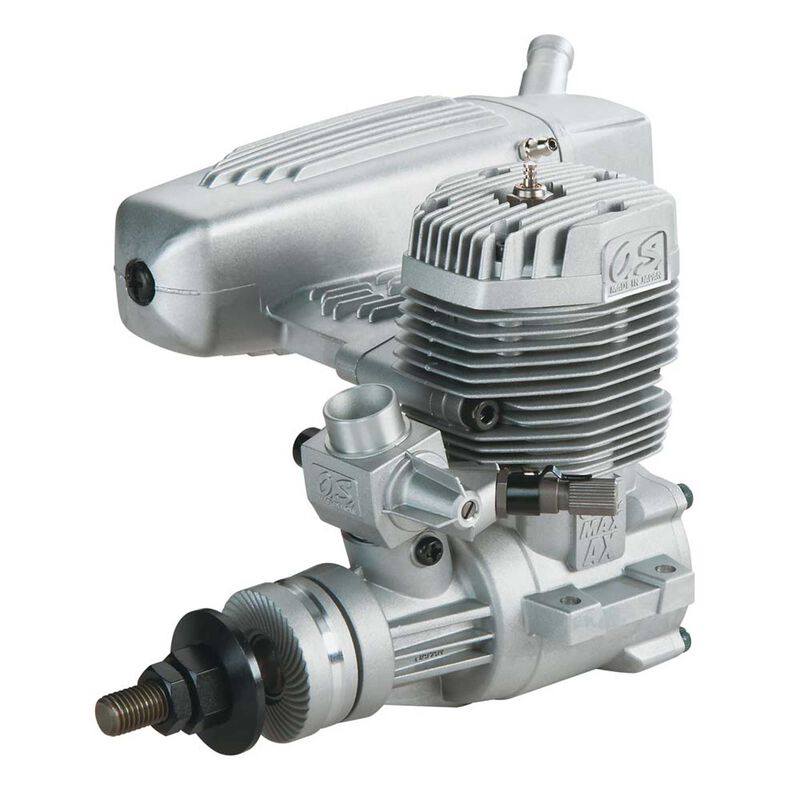
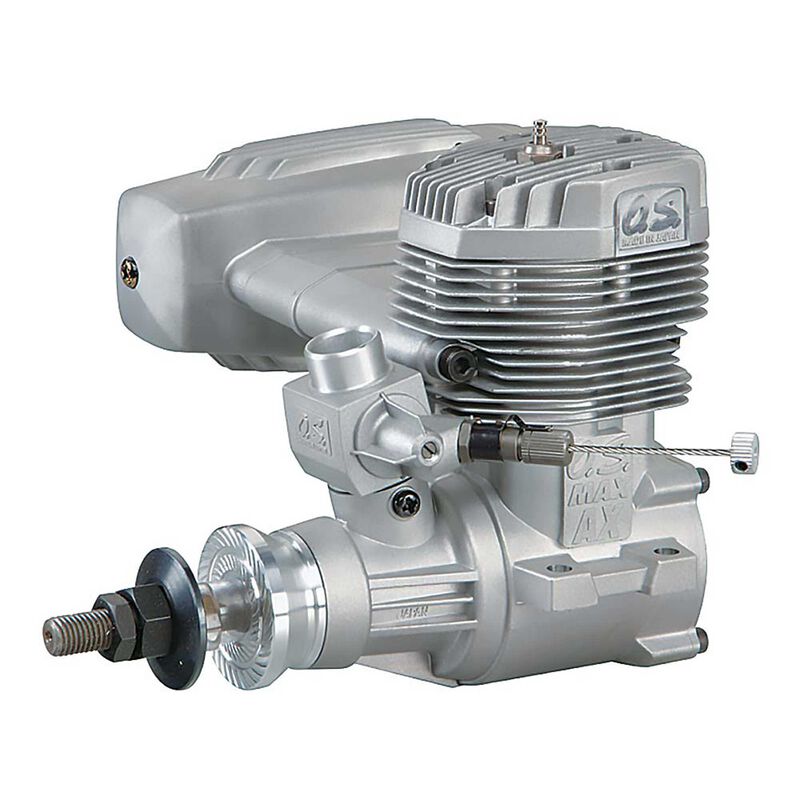
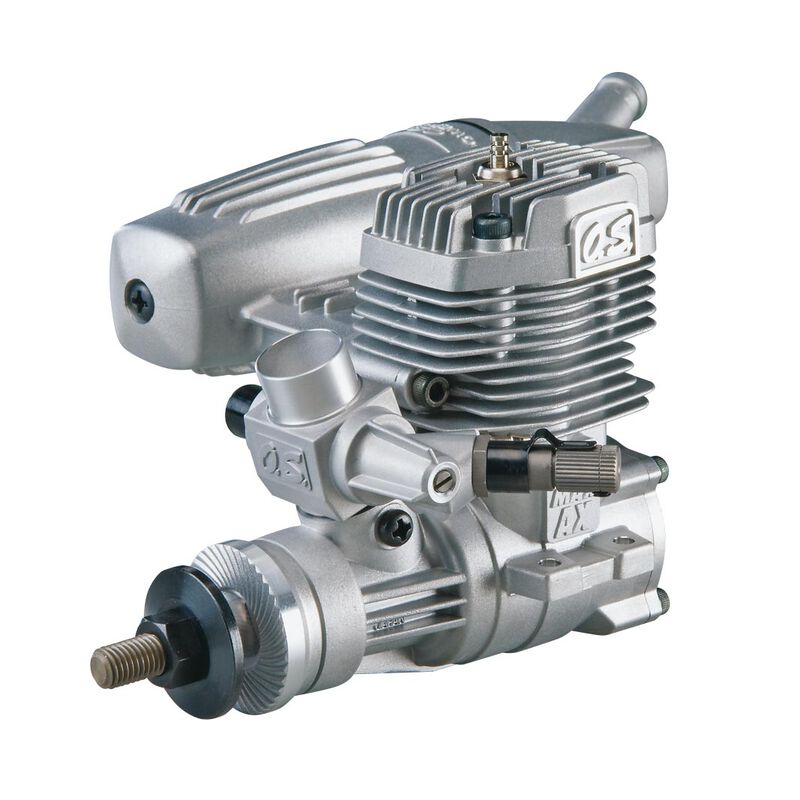
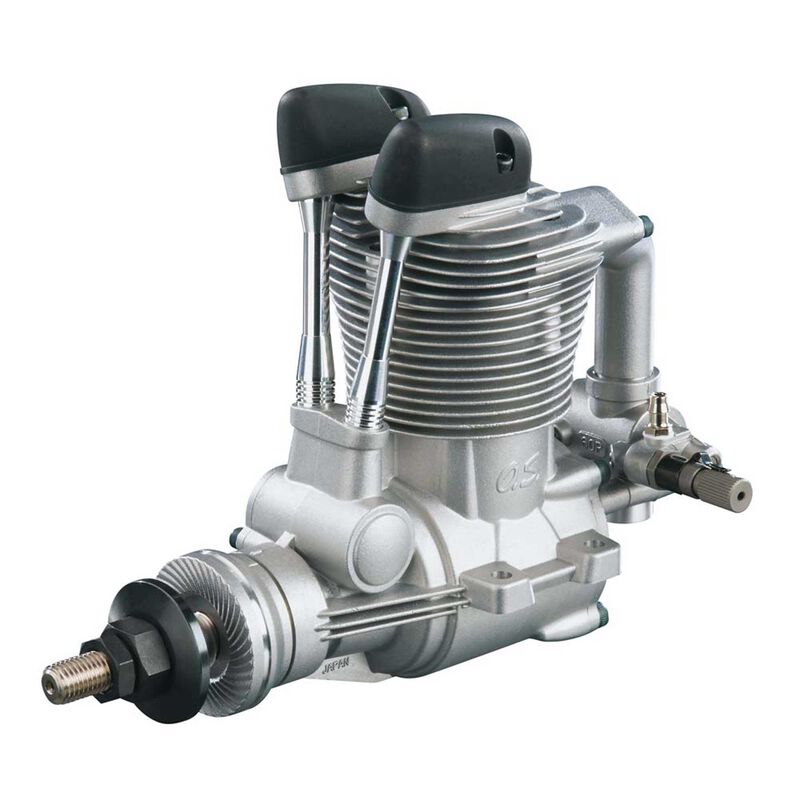
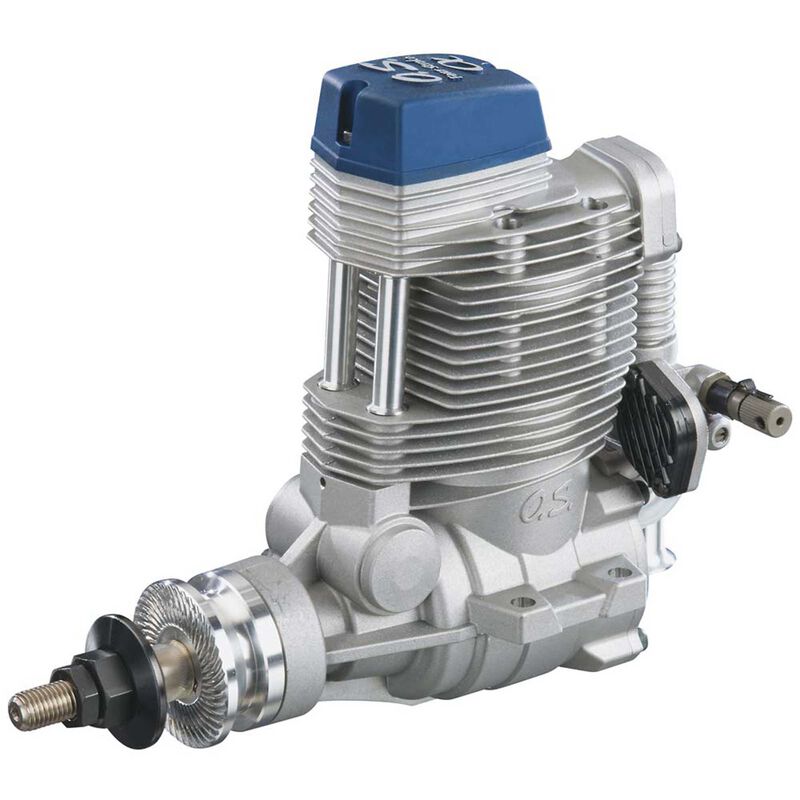
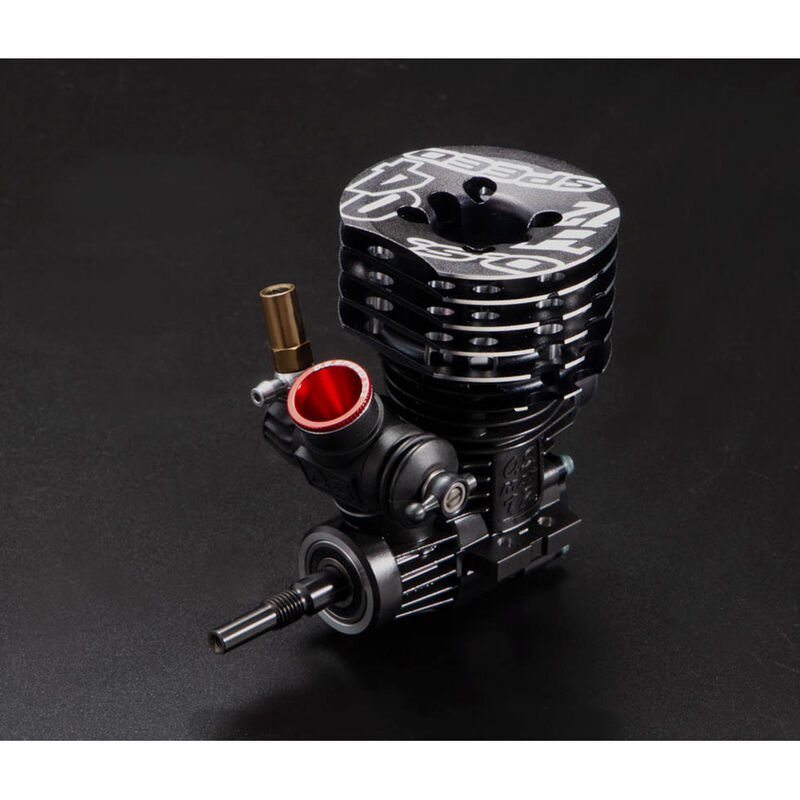
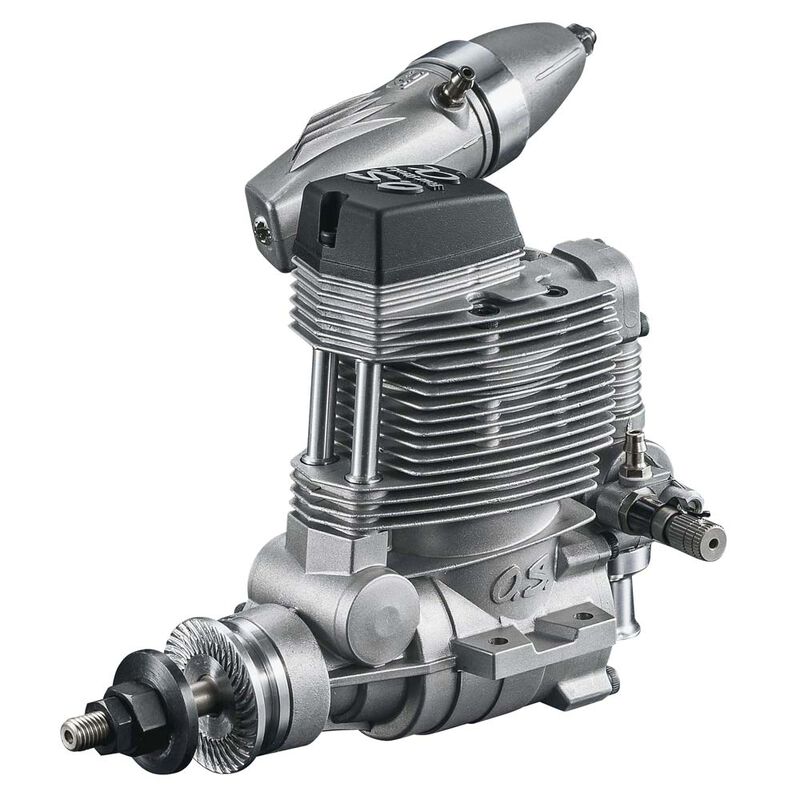
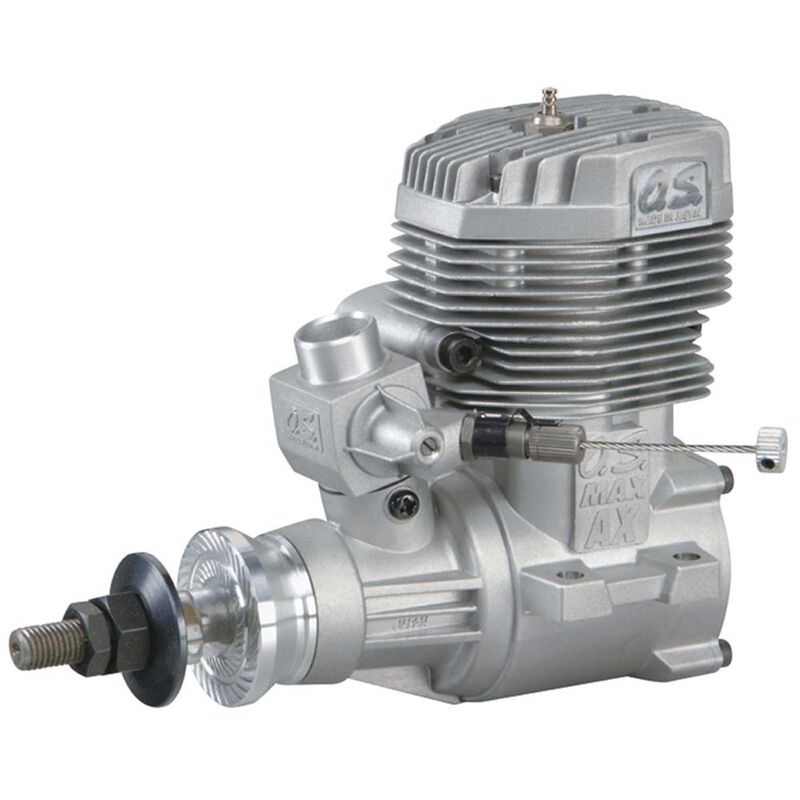
Those of us who have been waiting for the next leap in technology in a .15 displacement 2-stroke engine can take solace in the fact the OS has delivered our wishes. The OS .15 CV-A was designed for Open A class combat, and although the engine bears a similar moniker to the very successful .15 CV car and buggy engine, the CV-A is "all airplane."

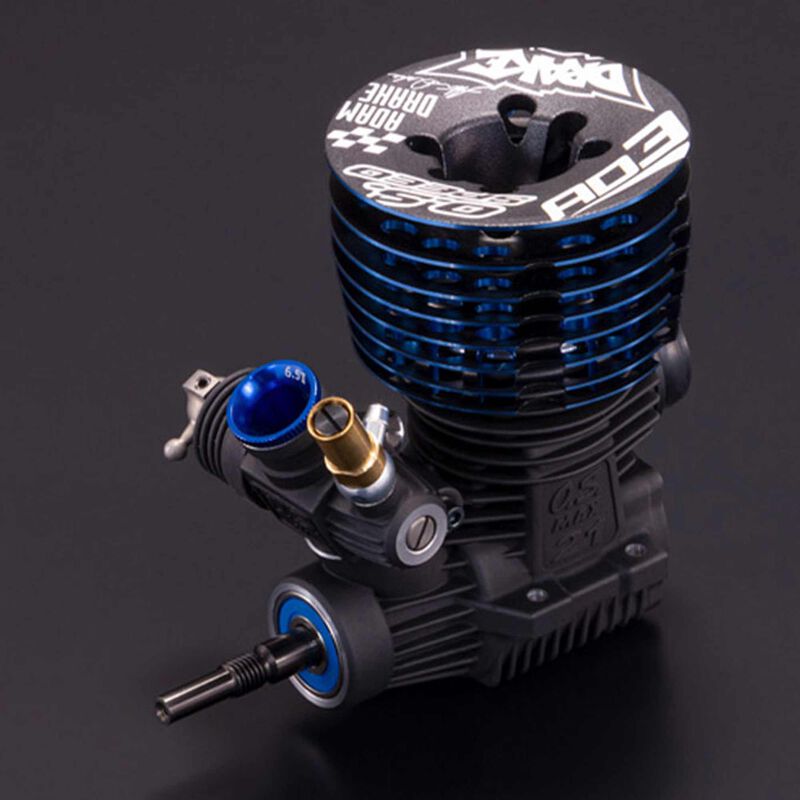
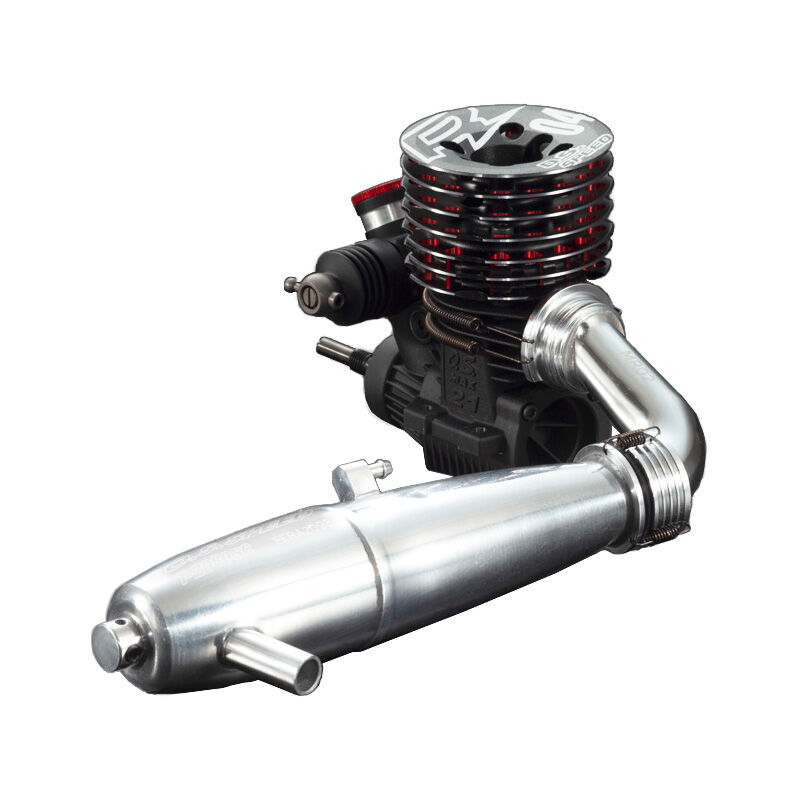
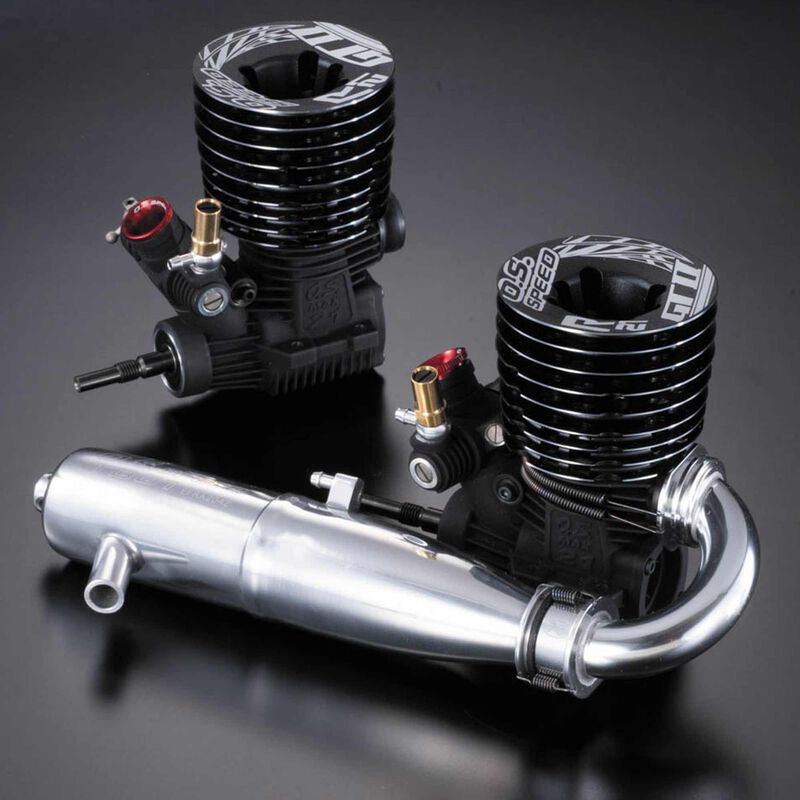
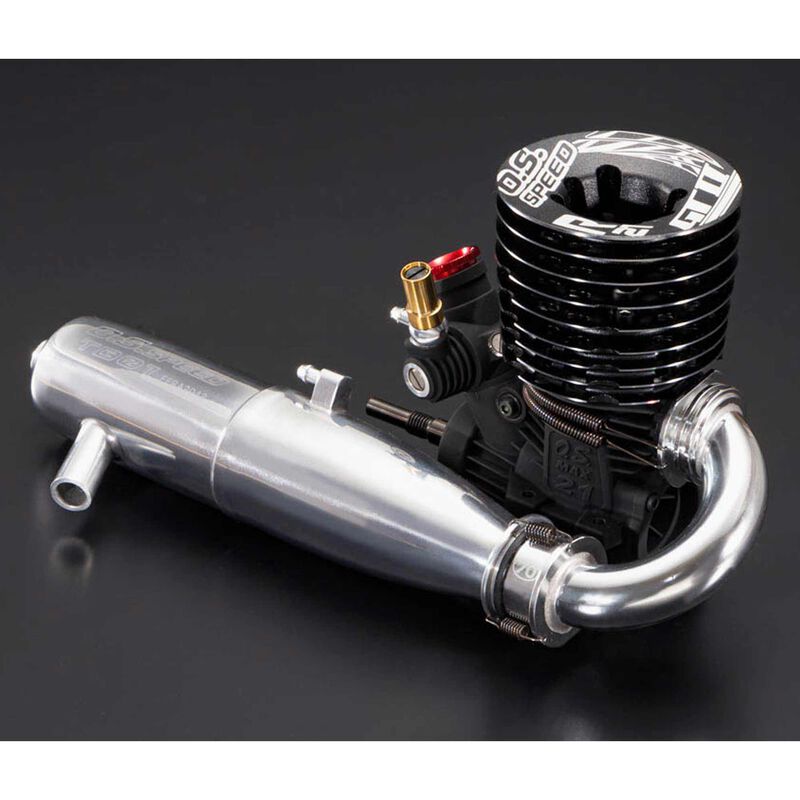
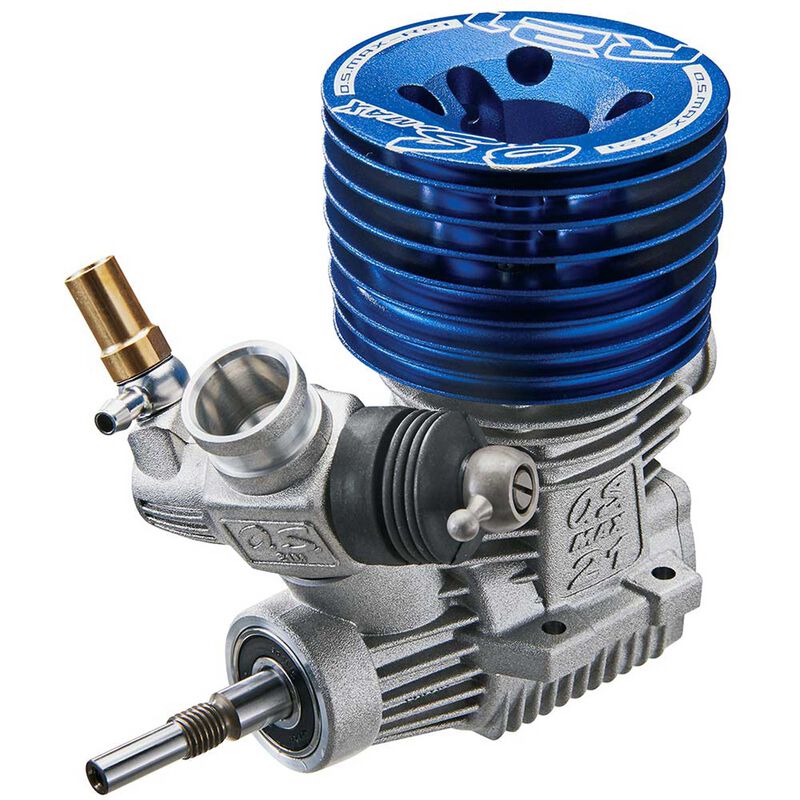
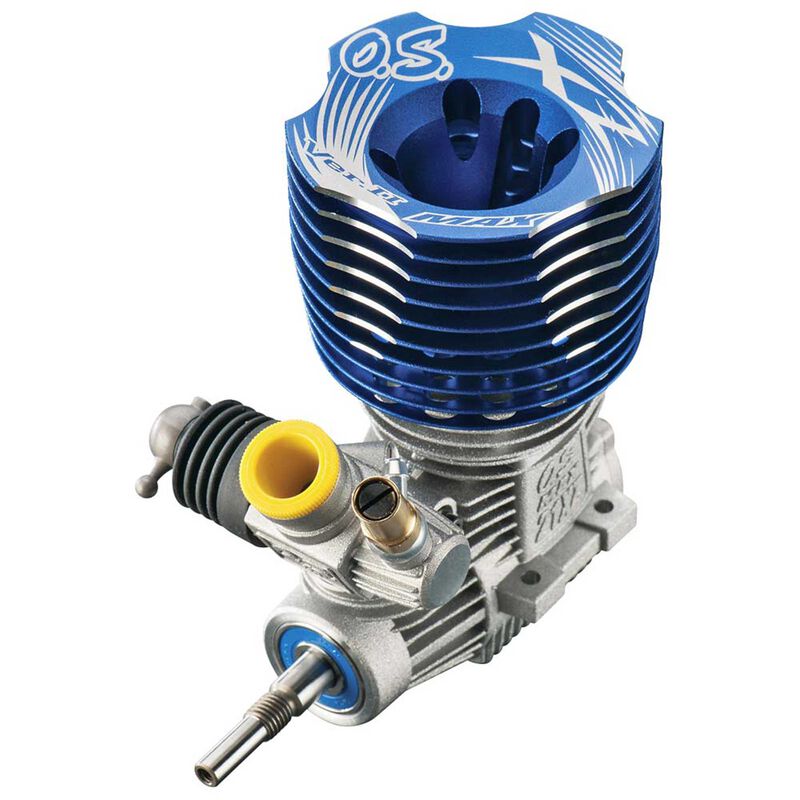
I like to think of the CV-A as the Mister Potatohead of engines: It seems the engineers at OS have worked overtime morphing the .15 CV platform into an extremely potent Car/Buggy, airplane and even a ducted fan engine (the new Kiosho F-86F Saber jet ARF) with tremendous success. Although the basic engine looks the same with its web-supported crankcase, the only common parts to the car and aircraft engine are bearings, connecting rod, piston pin and gasket set. The cylinder, sleeve, piston, head, remote needle valve assembly, backplate, carb, prop washer, and screw set are parts specific to the airplane version.

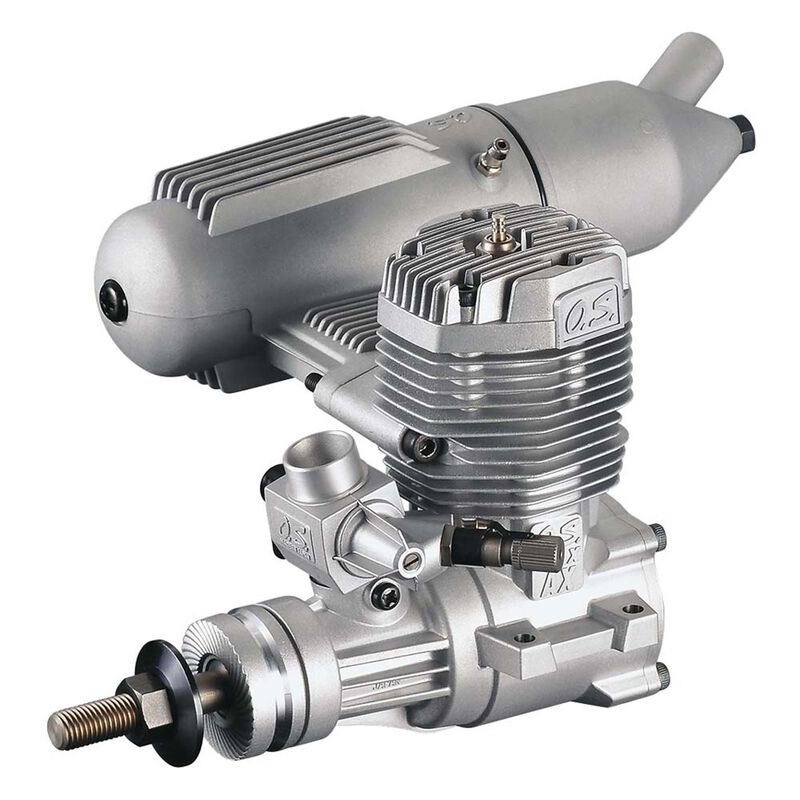
The CV-A includes a factory silencer muffler, OS A-3 glow plug (my favorite), and comprehensive instruction manual. The backplate of the engine is nonmetallic to help prevent wear from the electric starter's frontal force on the crankshaft. A remote needle valve is integrated into the backplate and gets your fingers safely away from the high-revving propeller. The CV-A uses the OS 10K carburetor, which operated flawlessly, and features low-speed mixture adjustment to dial the potent little engine in.

Propellers suggested for the CV-A are 7 x 5~6, 8 x 4~6, and 9 x 4, with a 7 x 5 suggested for breakin. I tested both the 8 x 4 and 9 x 4 Top Flite Power Point propellers and found that the engine pulled the hardest with the 8 x 4, taching 13,900 with the silencer's baffle and 14,250 without. The instructions mention that the baffle dulls performance, and I can tell you that I doubt you're going to lose your field by modifying this muffler; the engine performed substantially better with a negligible increase in dB. I'm sure a tuned pipe or high-performance muffler will do wonders for this engine and further increase power output.

I broke in the CV-A with Wildcat 15% Nitro-18% oil (80-20 synthetic/castor blend) and the 8 x 4 Power Point prop. For the fun of it, I hand?started the engine for the first time to get an idea of what to expect from it. After a couple of minutes of flipping and adjusting the needle valve, I finally got the motor started and stayed running. From there I ran it up on the very rich side and periodically leaned it out per the instructions. Each subsequent time I leaned the engine out, it picked up more rpm. After only 20 minutes of run time, I felt that it was ready for the field.

My interest in the CV-A was not without an agenda; I was doing a product review of the new Pica 1/12th-scale Mitsubishi A-6M Zero and wanted to try the engine out on the Zeke. I was very impressed by the way the OS .15 CV-A moved the 2 1/4-pound airplane. I found that half-throttle was plenty to fly the model even in windy conditions, and full throttle made the Zero rip through the sky. I'm really excited about this engine: it starts easily, runs very dependably, breaks in quickly and is a real pleasure to play with—and after all, that's what it's all about!

Reprinted with permission.
R/C Excellence


O.S. Engines Home Page  |  Airplane Engines  |  Car & Buggy Engines  |  Boat Engines  |  Heli Engines  |  Accessories  |  Parts Lists & Manuals  |  Product Reviews  |  Where to Buy  |  Promotions

Copyright © 2002-2008 Hobbico, Inc. Terms of Use
All rights reserved. Do not duplicate or redistribute in any form.